
Lab NotesStrategy and management
AlphaZero: A computer program which is not quite a computer program
A chess game with a cousin, and what a self-taught chess program suggests about creativity and business.

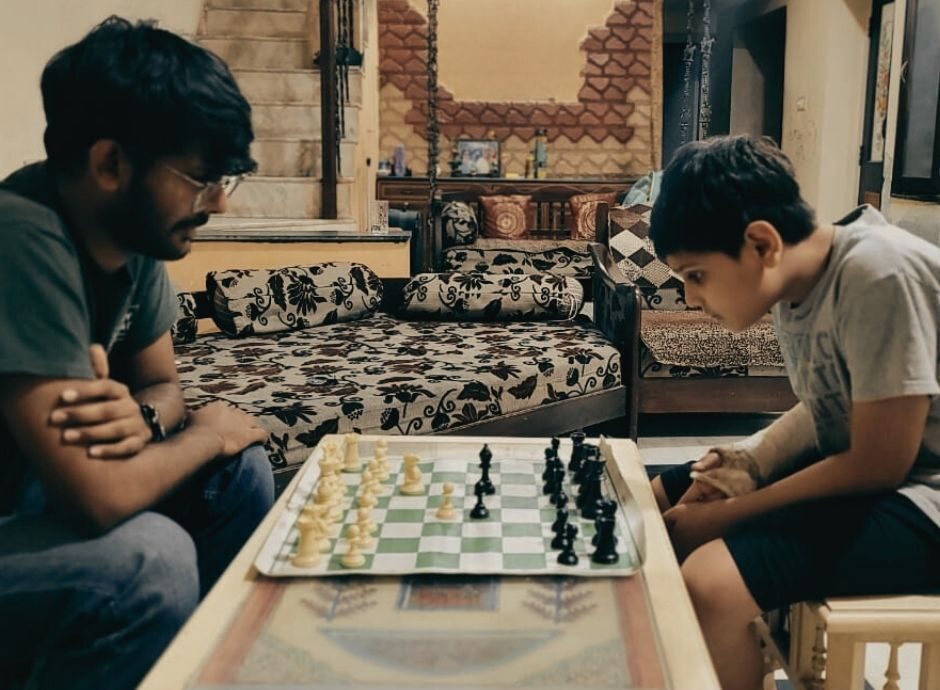
We recently hosted Harsh Patel, a cousin. He is also a research intern at ISRO. As we had dinner and decided to play a couple of rounds of chess, he sparked my curiosity with a curious tale of AI: AlphaZero, made by Google DeepMind.
It's a neural network based chess program which taught itself chess by playing against itself. Within about four hours it was rated above Stockfish, one of the strongest conventional chess engines.
I knew how computers played chess. They use a brute-force method, where they will calculate variations for each of the possible positions and then choose a move that gives them the best possible outcome. (A numerical value is assigned to each outcome, and the computer usually chooses the moves with the best chance of a positive outcome). The focus is on making a choice that you KNOW will give you a better position at the end. And hence remembering it.
This is also how grandmasters prepare. Loving chess, I knew that this is what is taking away the beauty of a once creative game, which is now evolving to be more of a memory exercise, where the player who can memorize the deep lines of a complicated variation usually wins.
That's not how AlphaZero played. We watched analysis of a few of its games against Stockfish, an excellent conventional chess engine.
In its play, one could see the romanticism of the masters of the 1700s. The wild sacrifices often created novelties and positions that are unheard of in modern chess. It seemed to understand the soul of chess.
This encounter left me stumped. AI isn't just about efficiency; it's about unlocking new ways of thinking, creating, and pushing boundaries. AI might not just play like a grandmaster, but compose like a legend.
Will it transform the way we do business in today's world? From designing how people experience a business to marketing stories, will it give rise to creativity at a scale not seen before?
Is that scary? Is that exciting?